Biohazard Cleanup
Safe, careful removal of bodily fluids and other infectious material, finished with hospital-grade disinfection.
Learn more →Maryland · Charles County
Looking for a biohazard cleaning company in Hughesville, MD? Get residential and commercial biohazard cleanup, including crime scene cleaning, blood cleanup, hoarding cleanup and sewage cleanup. Call (877) 812-4220, 24/7.
If anyone is in danger, call 911 first. For a suicide crisis, call or text 988.
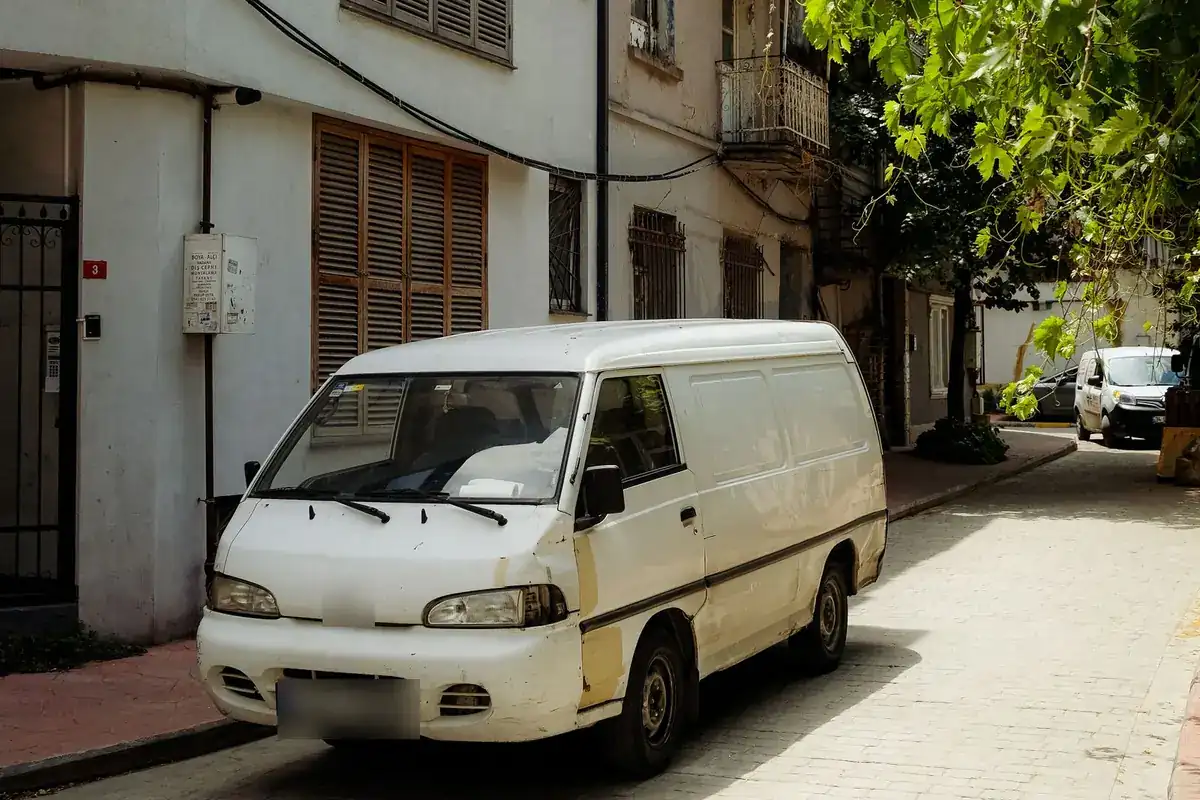
A biohazard cleaner deals with what regular cleaners will not touch: blood, decomposition, human waste and infectious materials. Hughesville homeowners, tenants, landlords and business owners can get discreet biohazard cleanup services by calling Hughesville Biohazard Cleanup Help.
Calls are answered day and night, and crews arrive in unmarked vehicles so the work stays private. The cleanup team seals off the area, removes what cannot be saved, disinfects what can and carries away the waste. Service covers Hughesville and nearby communities such as Charlotte Hall and Golden Beach.
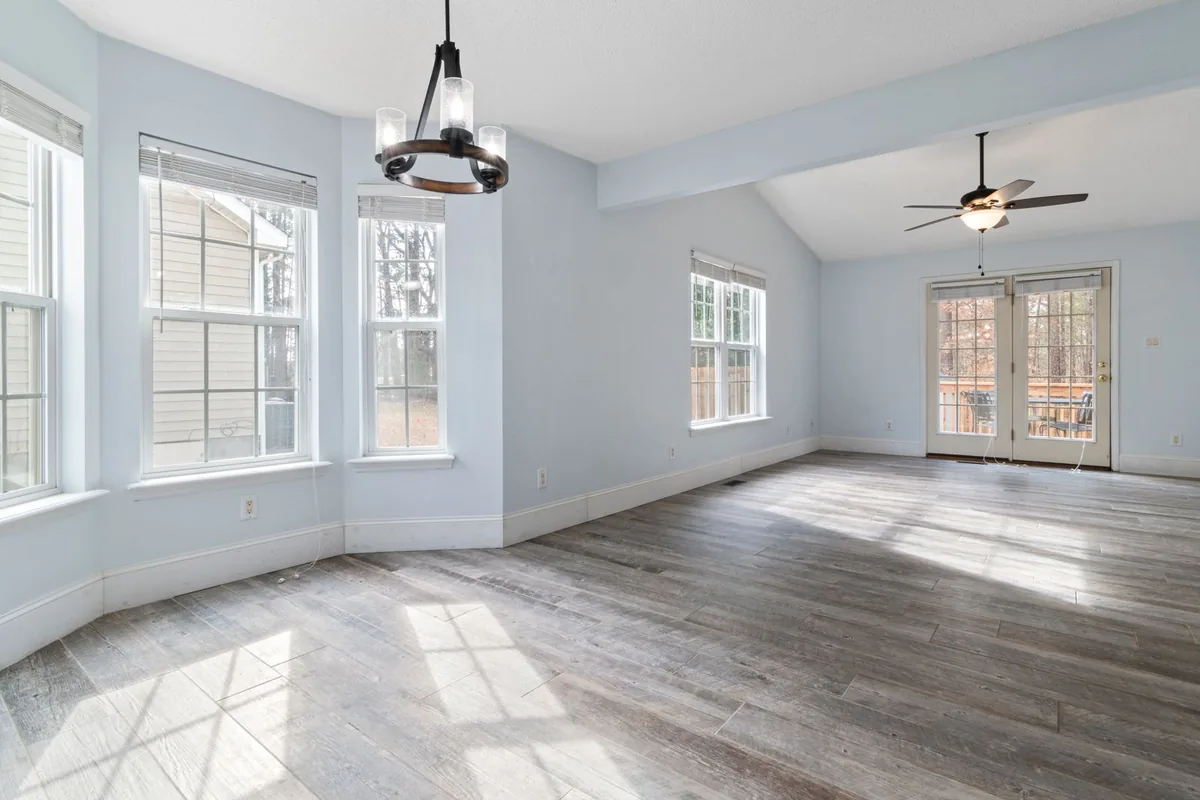
Only about 28% of homes in Charles County were built before 1980, so most cleanups involve newer drywall and flooring, though fluids can still soak through to the subfloor. Vacancy in Charles County is lower than the Maryland average, at 5%, so most cleanups happen in occupied homes where families want the work done privately and with care.
Safety comes first on every job. You get crews that follow OSHA bloodborne pathogen protocols, wear full protective equipment and seal off the contaminated space, since hepatitis B, hepatitis C and HIV are all risks around untreated blood.
Cleaning removes soil, and disinfecting kills germs, so both steps happen. Crews use EPA-registered disinfectants and let them stay wet for the full contact time, then use air scrubbers to pull particles and odor out of the air.
Get residential biohazard cleanup and commercial work in Hughesville, with a wide range of services, so one call can sort out a death, a spill, a backup or a hoarded property.
Safe, careful removal of bodily fluids and other infectious material, finished with hospital-grade disinfection.
Learn more →Cleanup after violent crimes, break-ins and assaults, using protective gear and EPA-registered disinfectants.
Learn more →Trauma and crime scene cleanup for homes, workplaces and vehicles, handled privately with protective gear.
Learn more →After death cleaning for families, landlords and estates, handled quietly and with care.
Learn more →Respectful biohazard cleanup that removes affected materials and treats odor so families do not have to.
Learn more →Murder scene cleanup for homes, rentals, businesses and vehicles, handled privately with protective gear.
Learn more →Blood in cars, vans and rideshare vehicles cleaned from seats, mats and panels, then disinfected.
Learn more →Bodily fluid cleanup for blood, vomit, urine and feces, with disinfection and safe waste disposal.
Learn more →Waste cleanup after neglect, illness or a long absence, handled privately and without judgment.
Learn more →Odor control for landlords, buyers and families whose property still smells after a loss.
Learn more →Hauling, disinfecting and odor removal for crowded homes, without judgment or pressure.
Learn more →Full-house hoarder cleanout with sorting, haul-away and deep cleaning from the first room to the last.
Learn more →Ammonia odor, urine and feces cleaned from floors, walls and air after animals are removed.
Learn more →Extreme cleaning for unsanitary homes, done with protective gear and without judgment.
Learn more →Category 3 cleanup with protective gear, sealed disposal and EPA-registered disinfectants.
Learn more →Infectious disease disinfection for homes and businesses, using EPA-registered products matched to the germ.
Learn more →Cleaning first, disinfecting second: a careful process that targets the germs, not only the stain.
Learn more →Medical waste left behind after illness, a move or a cleanup, removed with protective gear.
Learn more →Needle and sharps cleanup: syringes found, collected with tools and disposed of in sealed containers.
Learn more →Safe removal of sharps and drug use items, with disinfection and odor treatment afterward.
Learn more →Clear steps for owners who suspect meth contamination, from first sample to final report.
Learn more →Decontamination for rentals, motels, offices and vehicles after drug incidents and responder visits.
Learn more →Toxic waste cleanup that identifies the substance, cleans affected surfaces and follows disposal rules.
Learn more →Fuel, solvent and chemical spill cleanup for homes, farms, shops and fleet yards.
Learn more →Careful tear gas removal that protects people and pets and documents the work for insurers.
Learn more →Rodent infestation cleanup after pest control, with odor removal and sanitizing of the affected area.
Learn more →Pigeon and bird droppings cleanup on ledges, balconies, warehouses and storefronts.
Learn more →Carcass cleanup of fluids and soaked insulation, carpet and drywall that cannot be saved.
Learn more →Biohazard car detailing after an accident, a crime or a medical emergency in or near the cabin.
Learn more →Injury scene cleaners remove soaked materials, treat odor and prepare records for employers and insurers.
Learn more →Commercial cleaning crews disinfect offices, shops, plants and rentals after injuries, deaths and backups.
Learn more →Estate cleanout after a death, handled step by step at the family's pace.
Learn more →The first conversation covers what happened, who owns the property and whether an insurer or landlord is involved. Nothing has to be decided on the spot.
The crew takes photos and notes of the affected areas and the work done. Homeowners insurance companies, landlords and compensation programs often ask for these records.
Porous materials are removed, surfaces are scrubbed and disinfected, and tools are cleaned between steps so germs are not carried to other rooms.
HEPA scrubbers and odor treatment clean the air. A final walkthrough, and ATP testing where it is useful, shows whether anything was missed.
OSHA bloodborne pathogen protocols, full PPE, EPA-registered disinfectants and lawful biohazard waste disposal on every job.
A cleanup specialist explains the steps, the likely cost range and what the property owner needs to do next, in everyday words.
Contaminated items are sealed, labeled and kept out of household trash, and the waste leaves under medical waste rules.
Local help in Hughesville, La Plata and nearby towns means crews know the area, local police and the way homes in the region are built.
Biohazard cleanup in Hughesville, MD typically costs $500 to $25,000, depending on the type of biohazard, the size of the affected area and how far fluids soaked into porous materials.
Most residential jobs cost $3,000 to $5,000 (Fixr). Insurance changes who pays but not how the work is done. Homeowners and renters policies often respond to sudden events such as a death, a crime or an accident, and you get the photos and notes an adjuster asks for.
| Type of job | Typical range |
|---|---|
| Blood spill cleanup, small area | $500 - $2,500 |
| Crime scene cleanup, most homes | $1,500 - $7,500 |
| Unattended death cleanup | $2,000 - $7,000 |
| Suicide cleanup | $1,500 - $5,500 |
| Sewage cleanup, most homes | $2,000 - $10,000 |
| Hoarding cleanup, level 3 home | $2,000 - $5,000 |
| Meth lab cleanup, typical | $15,000 - $20,000 |
Estimates only, not a quote. Sources: Fixr, Yelp Costs, BioCleaners Directory, PushLeads, Dropcurb, Bob Vila and cleanup company cost guides. Call (877) 812-4220 to talk through the job.
Failing septic systems and sewer backups push raw sewage, a Category 3 biohazard, into homes. Sewage cleanup removes contaminated materials and disinfects every surface.
Cars, trucks and work vehicles can carry biohazards after an accident, assault or medical event. Vehicle cleanup removes contaminated upholstery and disinfects every surface and vent.
Hoarder homes can hide rotting food, animal waste, mold and pests, along with fire and structural hazards. Hoarding cleanup sorts belongings and restores a livable condition.
With a vacancy rate of 5% in Charles County, empty buildings can collect animal waste, drug paraphernalia and storm damage that nobody sees until later.
When a death goes unnoticed for days, decomposition fluids reach flooring and subfloor and the odor spreads. Death cleanup removes the affected materials and treats the odor at the source.
Offices, shops, churches and other public spaces may need cleanup after an injury, illness outbreak or break-in. The work is planned around staff, customers and reopening dates.
A biohazard is anything of biological origin that can make people sick. The type of material and the size of the affected area guide how the crew plans the work and how long the cleanup takes.
OSHA's Bloodborne Pathogens Standard, 29 CFR 1910.1030, sets rules for protective equipment, handling, training and disposal when workers face blood or other potentially infectious materials. Biohazard cleanup crews follow it on every job.
A biohazard is any biological material that can carry germs and make people sick. Common examples are blood, bodily fluids, tissue, sewage, used needles, animal waste and the fluids from decomposition. Anything that has touched them can also become contaminated.
Yes. Raw sewage is treated as Category 3 water because it can carry bacteria such as E. coli, viruses and parasites. Porous materials it touches usually must be removed, and the rest is cleaned and disinfected.
Call 911 if anyone is in danger. Keep everyone out of the affected area, do not clean anything, and wait for law enforcement to release the scene. Then call your insurance company and a biohazard cleaning company to plan the cleanup.
Often, yes. Many homeowners and renters insurance policies cover biohazard cleaning after a sudden event such as a death, crime or accident, after the deductible. Hoarding and gradual damage are often excluded. The cleanup work is documented with photos and notes for the insurance company.
Yes. Dried blood can still carry bloodborne pathogens. The CDC notes hepatitis B can survive on surfaces for at least seven days, and scraping dried blood releases particles. It should be handled with PPE and disinfected.
The nearest emergency room is Calverthealth Medical Center in Prince Frederick, about 10 miles from Hughesville. In any emergency, call 911 first. Cleanup waits until people are safe.
It can. Charles County has a Relatively Low river flood risk rating from FEMA. Wherever floodwater or a sewer backup enters a home, the water is treated as Category 3 and needs full cleaning and disinfection.
The service area reaches from Hughesville to La Plata, Charlotte Hall and Golden Beach. Whichever town the property is in, the process and the protective standards stay the same.
No judgment and no pressure, just a clear plan for the property.
Call (877) 812-4220